Each practice is led by certified engineers and runs the same playbook: scoped design first, certified hands on the install, documented handover. Pricing, parts, and escalation come through direct vendor partnerships, not resellers.
We deliver mandates, the kind that depend on the cabling holding up at 3am, the firewall holding under audit, the fibre lighting on the date written in the contract. Twelve practices, one accountable team.
Every cabling mandate begins with a low-level design — pathways, containment, patch-panel layouts, distribution, IDF/MDF placement — drawn before the first reel is opened. Cat 6A and OS2 fibre installations follow ANSI/TIA standards and are certified at handover with calibrated testers (Fluke DSX or equivalent). For unified communications, voice and data converge on a single structured backbone.
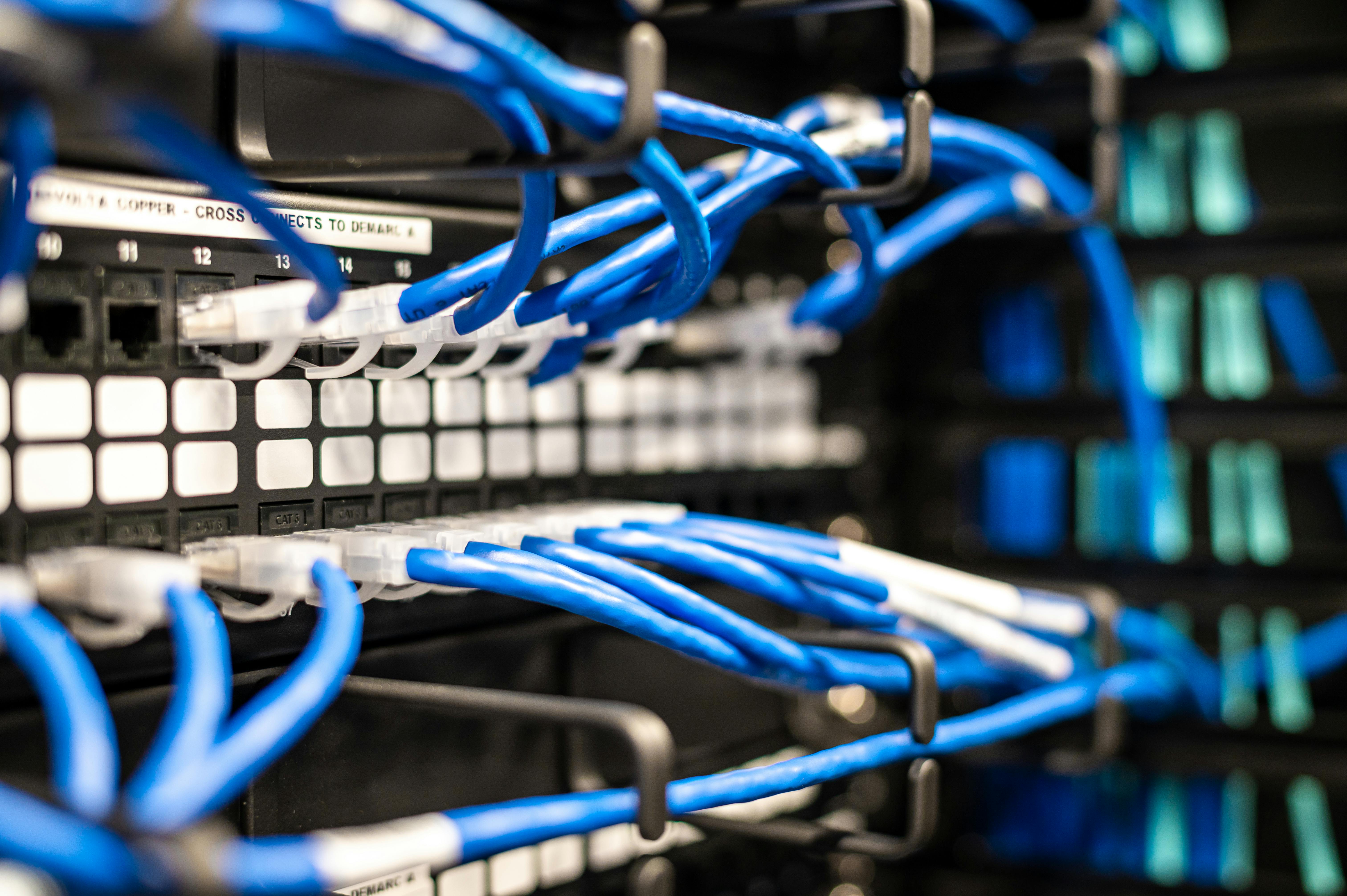
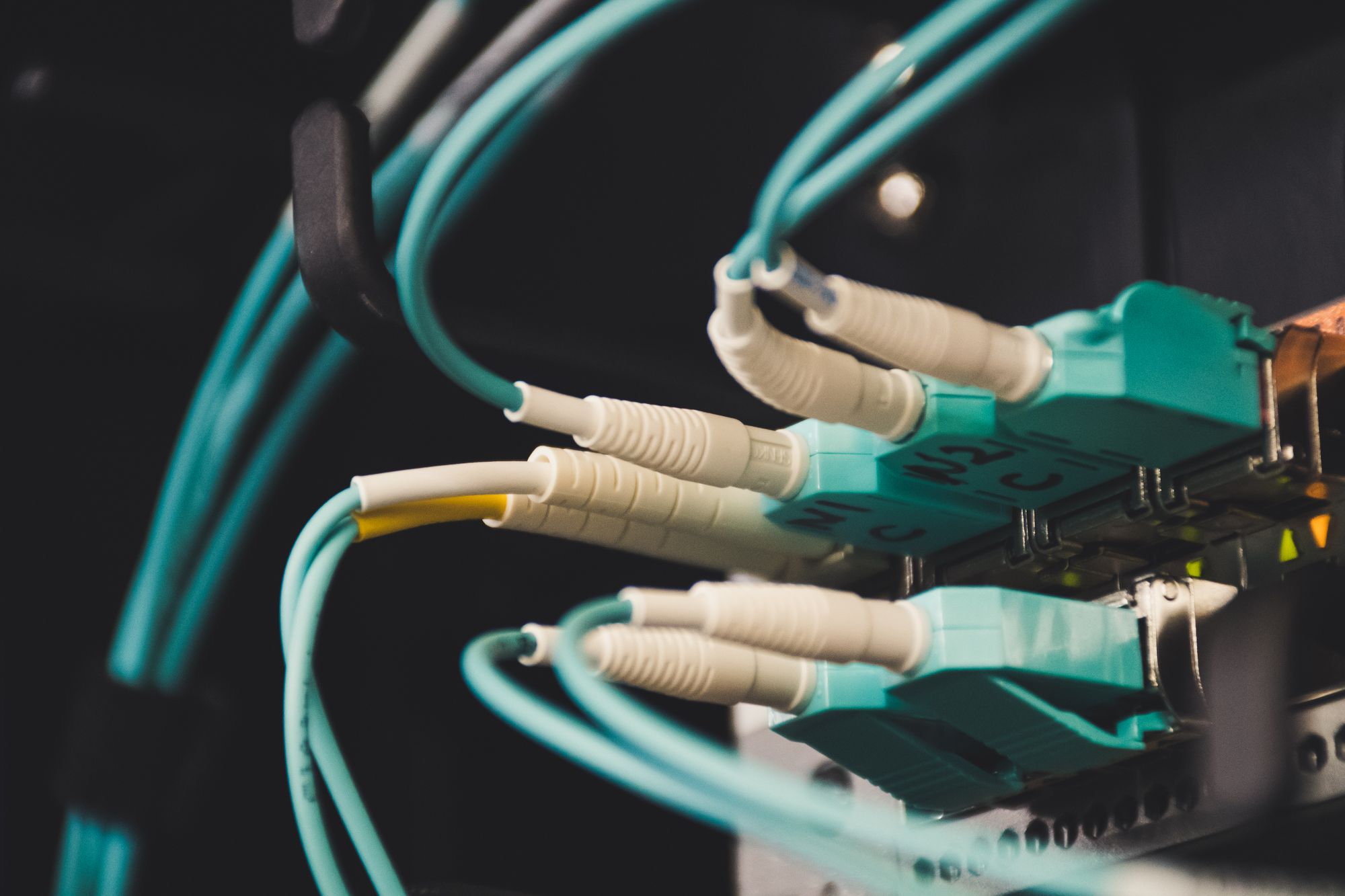
Fibre routes are surveyed before they're trenched. Outside-plant work — direct burial, ducting, manholes, aerial — is planned around utility crossings, road reserves, and Way-leave permissions. Splicing is fusion-only (Fujikura or equivalent), with OTDR traces and end-to-end loss measurements documented per fibre.
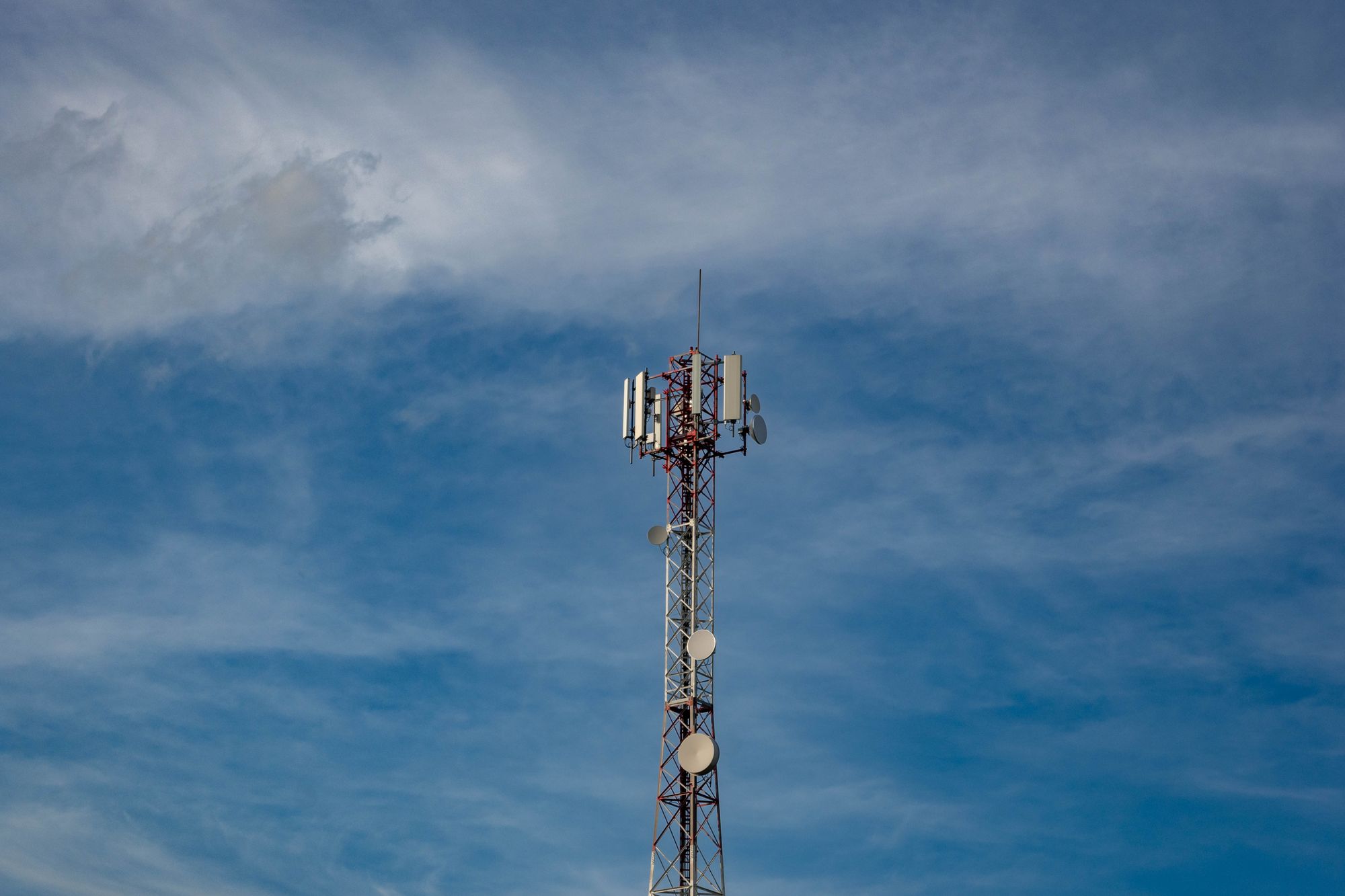
RF planning starts with a path profile — terrain, Fresnel zone, fade margin, link budget. Mast and tower selection accounts for wind loading and council requirements. Microwave dishes are aligned with link tools and commissioned only when receive signal sits within the design margin across diurnal variation. Where licensed bands are required, we coordinate with the Communications Authority of Kenya for frequency assignment.
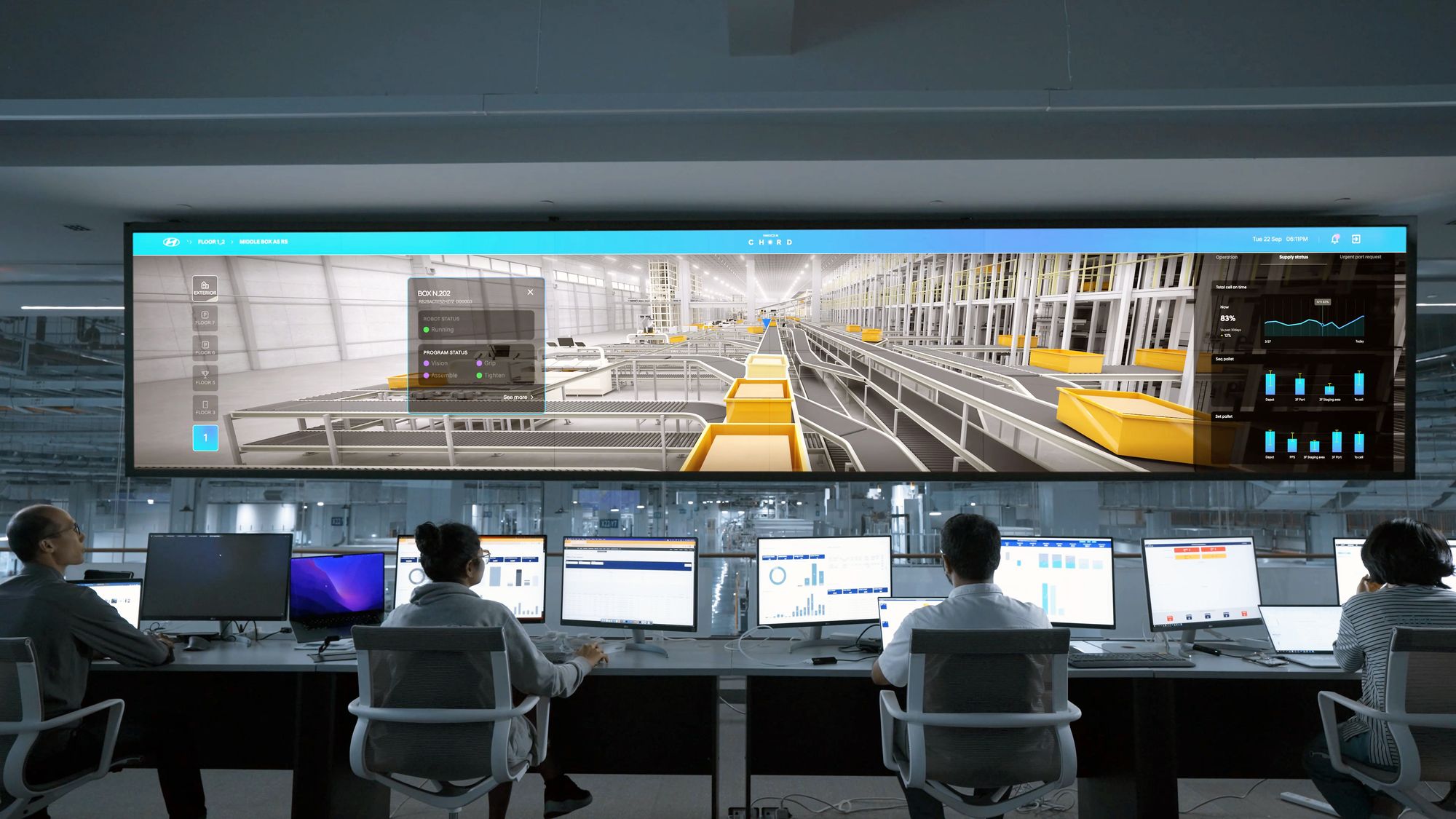
Video walls aren't just panels — they're a system: source matrix, processor, panels, mounts, content management, redundant power. We scope the operational use first (control room? lobby? NOC?), choose panels for ambient light and viewing distance, and design the content workflow so the wall does the job at 3am, not just at the demo.
A CCTV deployment that works is a deployment that's been thought through: camera placement against threat model, lighting and lens choice for the actual scene, retention against legal and operational need, network segregation from production traffic. Access control follows the same logic — door schedule mapping, reader placement, biometric vs card vs combined, integration with HR systems for joiner-mover-leaver flows.

Server-room cooling is a thermodynamics problem before it's a procurement problem. We size CRAC and in-row units against actual heat load — not nameplate ratings — accounting for redundancy (N+1 minimum for production), hot/cold aisle containment, and humidity range. Where existing rooms are upgrading, we run a thermal survey before specifying anything.

Storage decisions look simple in a brochure and complex in production. We scope against actual workload IOPS, growth trajectory, RPO/RTO requirements, and replication strategy not just raw capacity. Block, file, and object storage chosen for the actual access pattern. Tiered storage planning where hot, warm, and cold data justify different media. Backup and disaster recovery sized as part of the solution, not bolted on after.
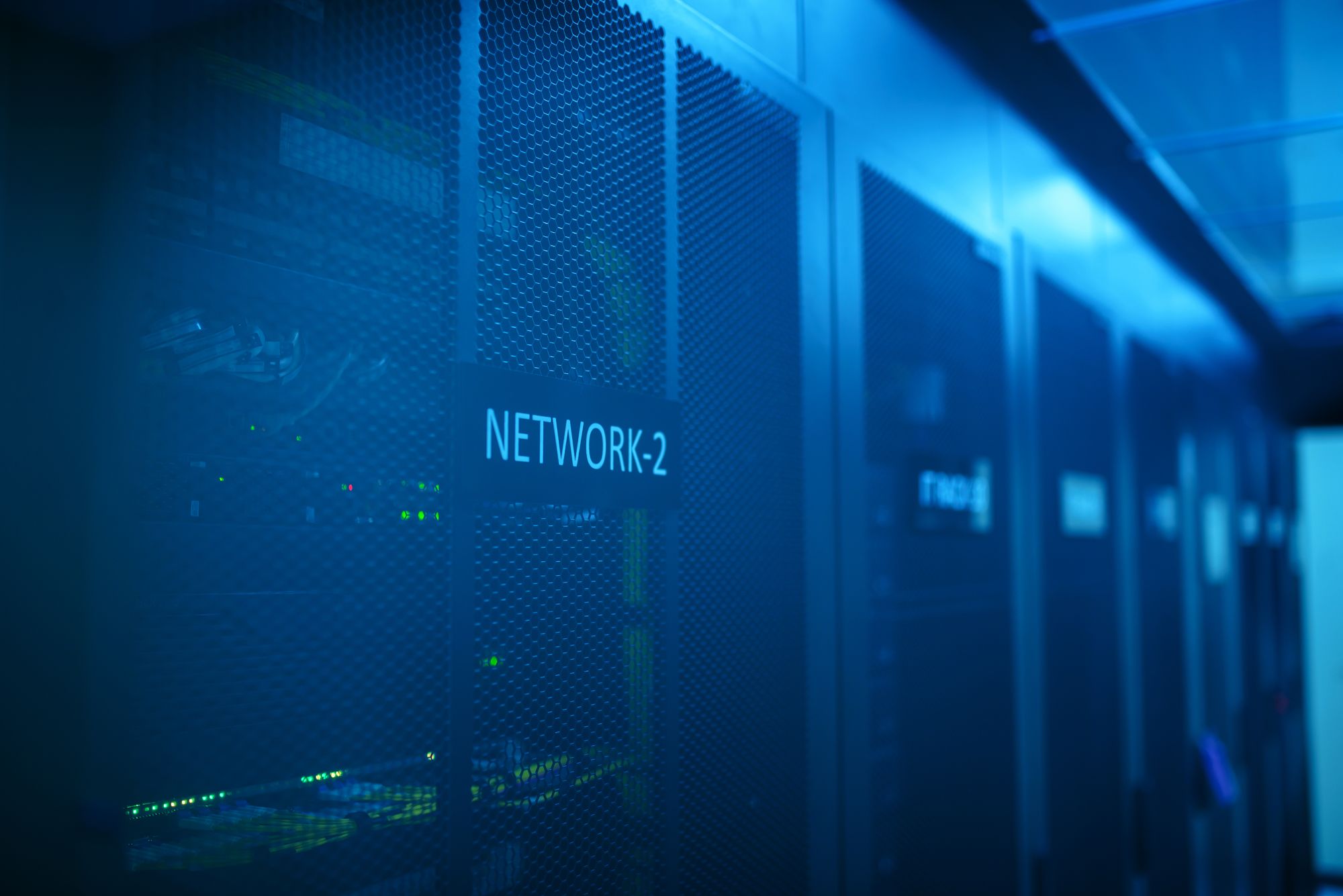
Security architecture starts from threat modelling, not product selection. We map the assets, the actors, and the paths between them, then design controls at the right layers — perimeter NGFW, internal segmentation, identity-aware access, endpoint detection. Zero-trust principles applied where they earn their complexity, not because the marketing demands it. Configuration is hardened against vendor-published baselines (CIS, vendor STIGs) and reviewed before promotion to production.
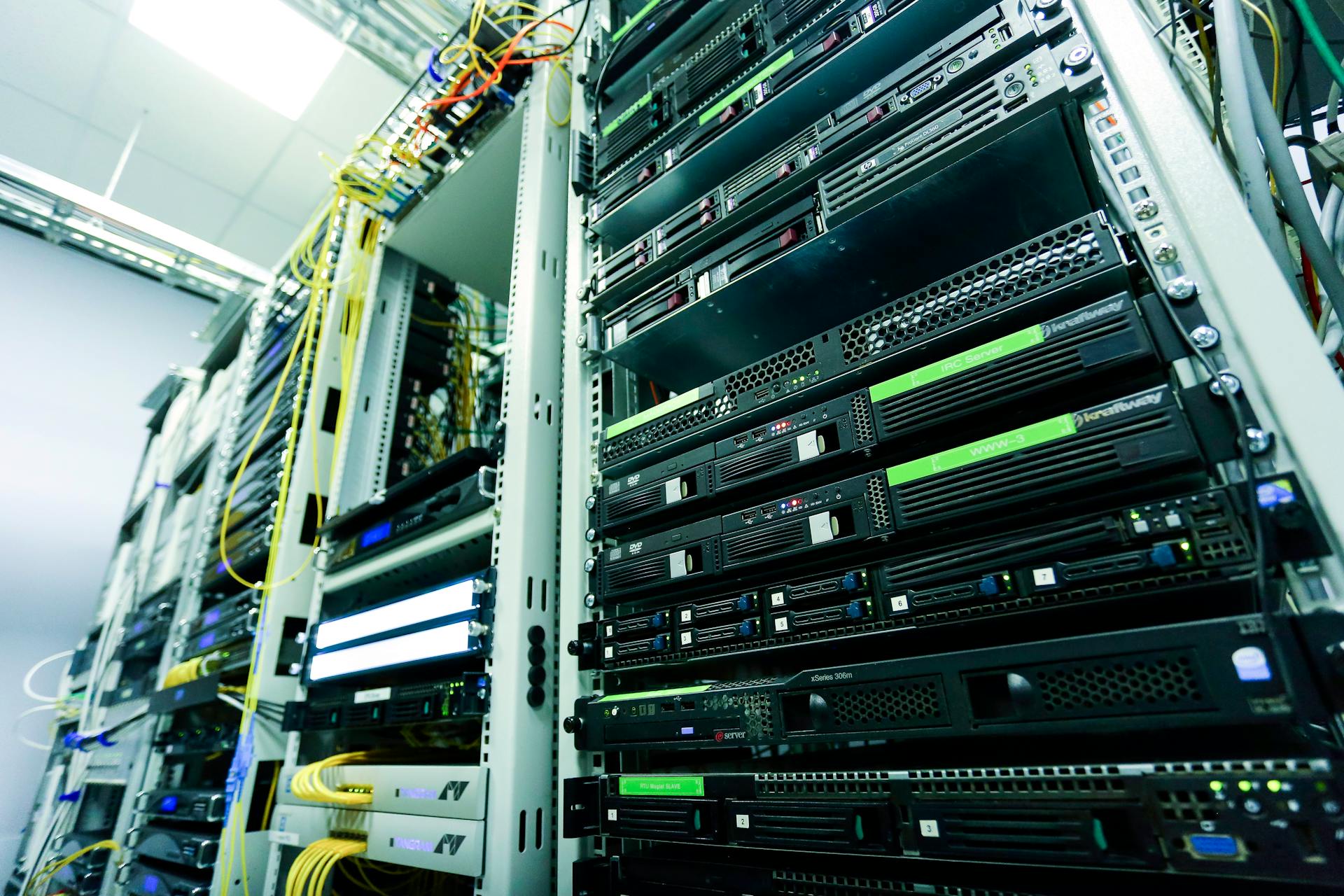
A data centre is the integration of seven systems — power, cooling, fire, access, network, structured cabling, monitoring — and either they fit together or they fight each other. We design against a target tier (typically Tier III for institutional work), with redundancy strategies that match the operational mandate. BCDR planning runs in parallel: the secondary site, the replication path, the runbook. DCIM tooling chosen to give operators visibility from day one.
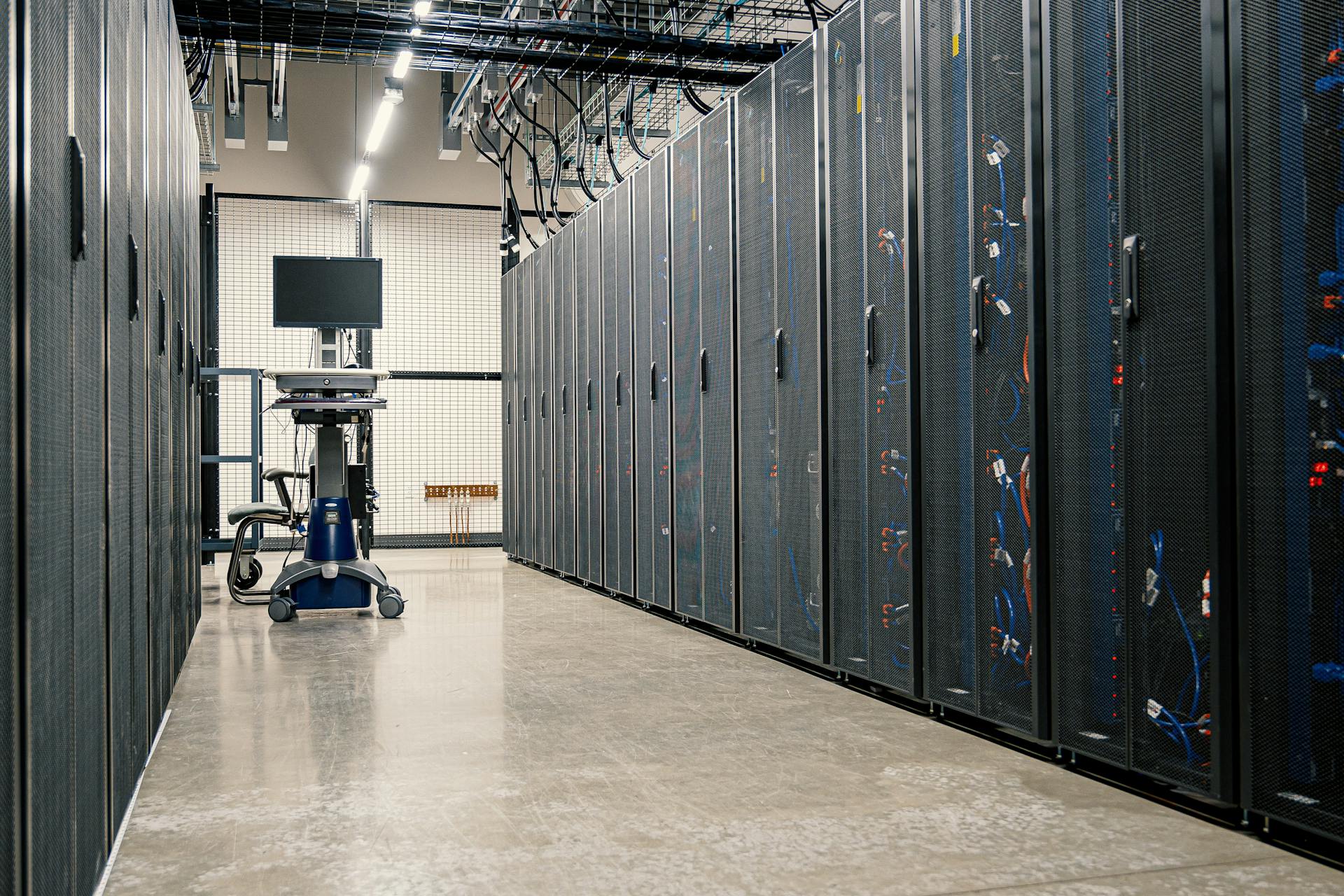
Power design starts with the load profile and the failure mode you're protecting against. UPS sizing accounts for actual draw, runtime requirement, recharge time, and battery chemistry choice (VRLA vs lithium-ion). Switchgear and PDUs sized for redundancy strategy — A/B feeds, automatic transfer, by-pass for maintenance. Earthing and surge protection treated as part of the system, not a checkbox. Installation coordinated with utility (KPLC) and any generator infrastructure already on site.
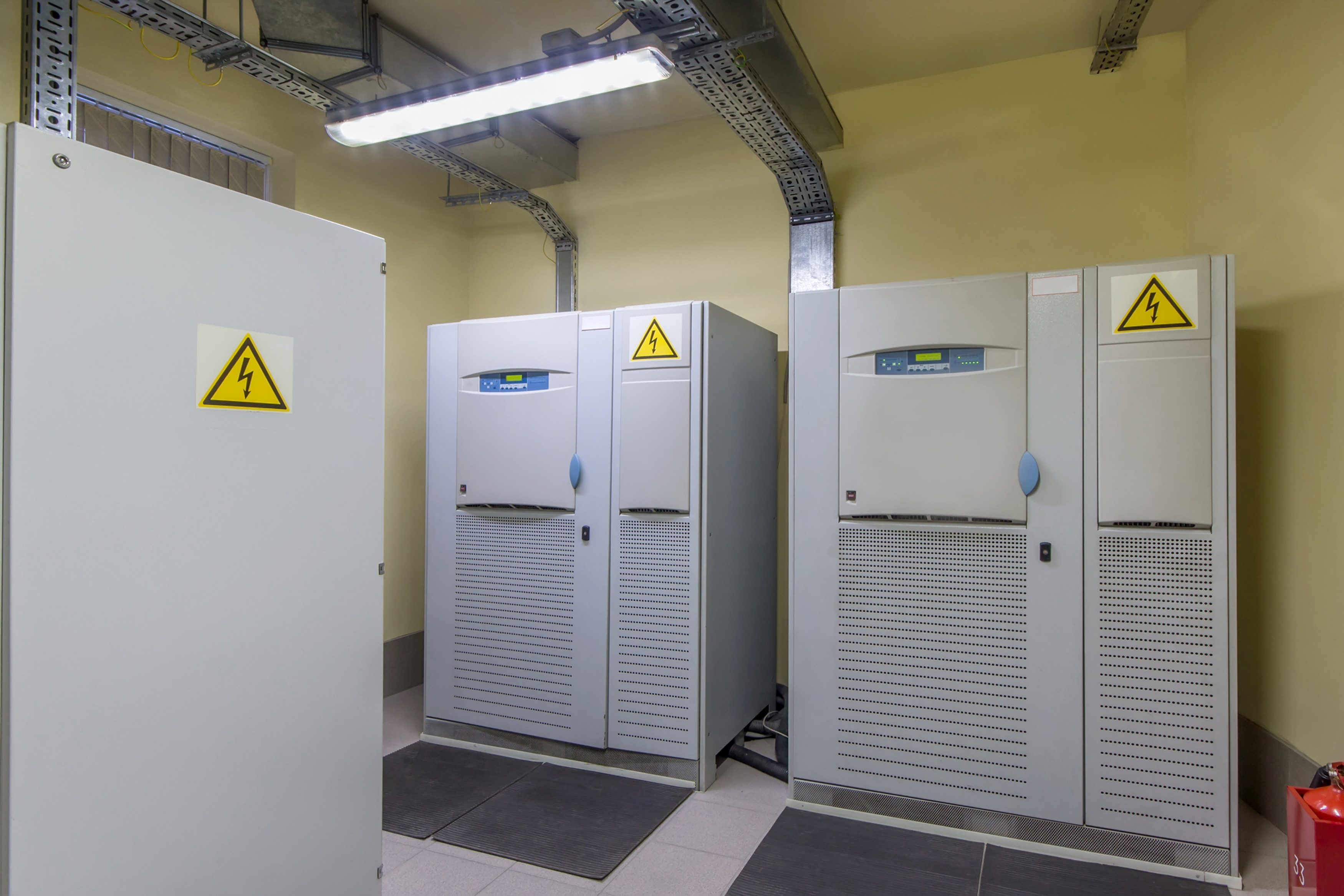
Direct vendor relationships compound: pricing, lead times, parts availability, and escalation channels all improve when the firm in front of the vendor isn't a reseller-of-resellers. We supply against scoped requirements (not catalogues), with configuration and asset registration handled before delivery. For migration mandates — operating system upgrades, virtualisation, M365 transitions — we plan the rollback path before starting, run pilots before broad deployment, and document the steady-state before signing off.

Most consultancy in the ICT space is performed by people who haven't run cable in a decade — or ever. Our consultancy engagements are led by engineers who do the work, on the same kit, every week. That gives us a different kind of opinion: grounded in actual deployment realities, not slide-deck abstractions. We do tender support, vendor selection reviews, refresh planning, second-opinion assessments, and long-form lifecycle roadmaps — vendor-agnostic, written for the institution that has to live with the decision.

Tell us about the mandate; the scope, the timeline, the constraints. A senior engineer will respond with a real conversation, not a sales pitch.
Or email info@techsource.co.ke